
Calendar Change Is Not System Change: Reflection for Media Professionals in South Sudan 2026
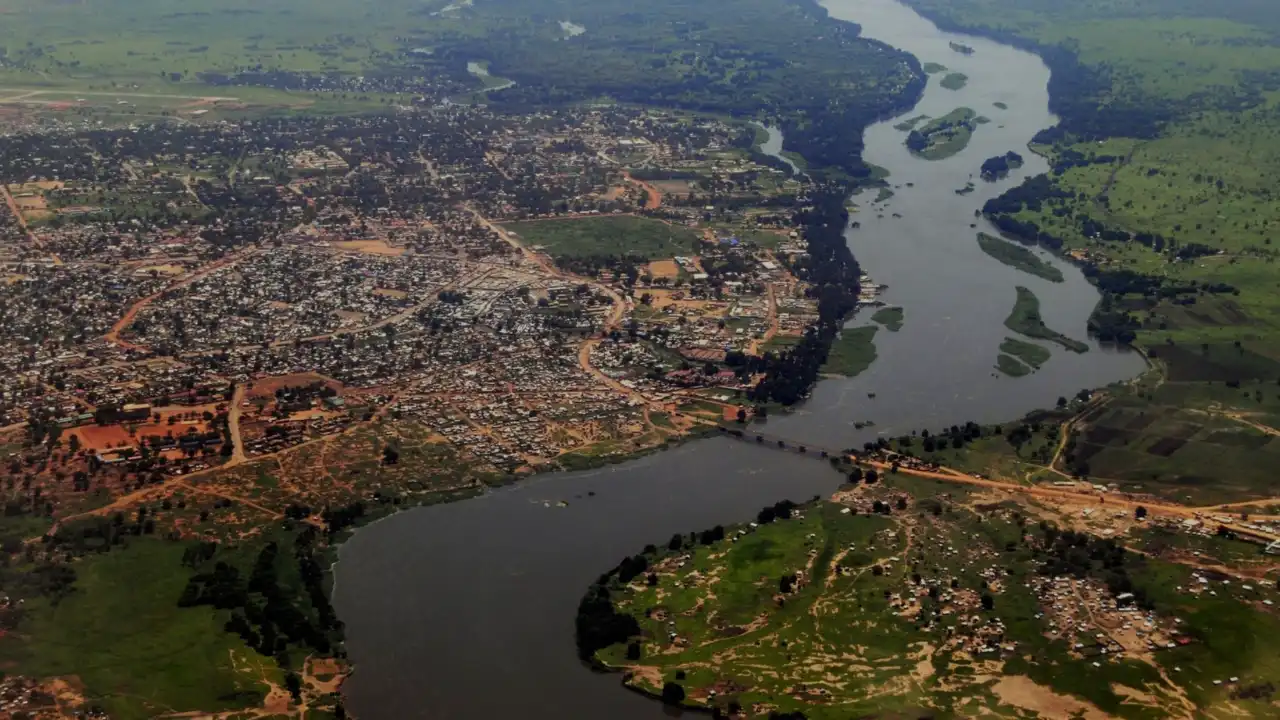
The year changed to 2026.
But for anyone living in Juba, we know that a change of calendar does not necessarily mean a change of circumstances. The struggle remains constant. Inflation persists. Opportunities shrink and expand unpredictably. Policies are announced. Decrees are issued. Yet for many professionals, especially for Media Professionals in South Sudan, the lived reality often remains unchanged.
This year began on a painful note for the media fraternity. We lost colleagues — talented individuals who once worked at Eye Radio and previously at City Review in Yambio. Their passing shook many of us and reopened a conversation we often avoid: the quiet frustration within the media industry in South Sudan.
Since January 2026, I have not engaged in any traditional media work. That is not because I lack the skill, passion, or training. It is because the industry itself is evolving in ways that demand reflection.
The Rise of “Internet Journalism” and the Identity Crisis
Today, anyone with a smartphone, internet access, and basic literacy can publish information. Many argue that formal journalism training is unnecessary. Some say passion, talent, confidence, or even physical presentation are enough to succeed in media.
But this argument ignores a fundamental truth:
Professional journalism is governed by ethics, law, editorial discipline, fact-checking standards, and accountability frameworks.
There is a difference between:
• A trained journalist and an online commentator
• A professional reporter and a radio personality
• Structured investigative reporting and impulsive broadcasting

Journalism is not simply speaking into a microphone or posting online. It is research. It is verification. It is responsibility. It is consequence.
A Personal Reflection on Training and Foundation
I speak as someone who holds a degree in Communications with a major in Electronic Media.
My university years were rigorous. We were trained in:
• Television production
• Radio broadcasting
• News writing
• Public relations
• Research methods
• Marketing fundamentals
I completed practical training at Shine FM while still a student. I wrote for newspapers. I engaged in public relations practice. It was what I now call a 360-degree media education.
It was not easy. Assignments were demanding. Deadlines were strict. The pressure was real.
What kept me grounded during those years was basketball. Every day, I left my academic stress on the court. Sport became my therapy. Discipline became my shield.
Training matters. Structure matters. Process matters.
Living and Working in Juba: A Test of Resilience
Juba is not a city for the weak.
It is fast. It is unpredictable. It can elevate and humble you within the same season.
It is also a place where misinformation spreads quickly because many rarely question facts. In such an environment, trained journalists can feel discouraged. When untrained voices gain rapid visibility, professionals may begin to question their own value.
But let us remember:
Success that rises rapidly without foundation often collapses just as quickly.
Depth always outlives hype.
A Message to My Colleagues in Media
To my fellow journalists — those with certificates, diplomas, and degrees — do not be ashamed if you pivot. Do not be frustrated if you diversify your income. Survival is not failure.
There is dignity in adapting.
There is wisdom in evolving.
But do not forget your worth.
There is a difference between:
• A presenter who speaks
• And a journalist who researches, writes, edits, verifies, investigates, and contextualizes
Some entered media for survival. Some stayed for fame. Some have lost sight of why they started.
Ask yourself today: What is your vision in media?
If the answer is unclear, it is time to redefine it.
Practical Recommendations for Media Professionals in 2026
If we are to survive and thrive in this industry, especially within South Sudan’s economic landscape, we must evolve strategically.
1. Establish Thought Leadership
Position yourself as a media consultant, analyst, or specialist. Publish consistently. Share insights. Offer value.
Authority is built through visible expertise.
2. Start a Professional Blog
Own your platform. Do not rely solely on social media algorithms. Write about:
• Industry trends
• Media ethics
• Communication strategies
• Case studies
• Lessons from the field
Document your journey.
3. Solve Real Problems Through Content
Create content that addresses:
• Misinformation
• Media literacy
• Digital professionalism
• Storytelling frameworks
• Communication in fragile contexts
When your content solves problems, it becomes indispensable.
4. Use AI Strategically — Not Fearfully
Artificial Intelligence is not your replacement. It is a tool.
Do not fear it. Do not worship it either.
Use it.
Direct it.
Challenge it.
Feed it with quality input.
Without human judgment, AI is only artificial — not intelligence.
The journalist still holds the power of context, ethics, and interpretation.
Final Reflection
We are not just media workers.
We are custodians of truth.
We are interpreters of society.
We are witnesses of history.
Even in frustration.
Even in transition.
Even in silence.
To every media professional navigating uncertainty in 2026: your training is not wasted. Your discipline is not irrelevant. Your voice still matters.
Let us adapt.
Let us evolve.
Let us lead.
And above all, let us continue being the voice for the voiceless.
Stay safe.
Juliana Siapai
Freelance Journalist